
Target groups
Marginalised and low skilled students such as representatives of minorities, Roma, refugees, but also students with learning difficulties and special educational needs are the most disadvantaged groups with regards to employment. There are several reasons for that. The first one is the lack of adequate support started and provided during the last years of graduation linked to the current identification of the strengths of the persons and guiding this person to the best possible job occupation based on the level of possessed knowledge, skills and competences related to the particular qualification level according to the EQF and NQF.

The second is the way and frequency of provided support – in that step we must include teachers, pedagogical counsellors but also where needed psychologists and career counsellors/supported employment consultants. These professionals in the majority of the cases are not adapting their guidance based on the preliminary identification of the strengths, rather they highlight obstacles and weaknesses of the person, which relates to demotivation of that person. Another issue is the approaches, they used for that particular intervention. They are using conventional method, which is not competence based and in majority of cases not following person-centered approach, such as the one, we propose, the adopted model by Carl Rogers (Carl Rogers’ client-centered model of positive work relationships to explain why and how positive regard can be a powerful source for the development of job seekers and potential employees’ sense of vitality, job performance and organizational citizenship behaviours.
Another reason for the lack of preparatory job skills of the above mentioned youth is that major part of them did not have enough level of digital skills in order to apply for a job. Nowadays, more than 80% of the companies (source: Eurostat 2020 EU report) are conducting the recruitment process online. According to the assessment of the EU Commission published in 2020 The Youth Guarantee country by country, where we can see that:
-In Spain: “Long-term and youth unemployment have also seen steep declines, but long-term unemployment still affected 1.2 million people… 30.5% of the active population aged below 25 was without a job in Q3- 2019 (compared to 14.4% in the EU). The job quality remains a concern, as Spain records the highest share of employees on temporary contracts and the third highest rate of in-work poverty in the EU
– In Bulgaria: “While the overall unemployment rate of Roma is 55%, it is even higher (65%) for young Roma aged 16-24. In addition in 2020, the NEET rate for young people aged 15-24 was 15.0%, well above the EU rate of 10.5%.” From other side, in Turkey (according to: Trade Economy 2021) the statistics shows 22,80% unemployment rate for marginalised youth (refugees, woman, students with disabilities) and trend increased due to COVID-19.
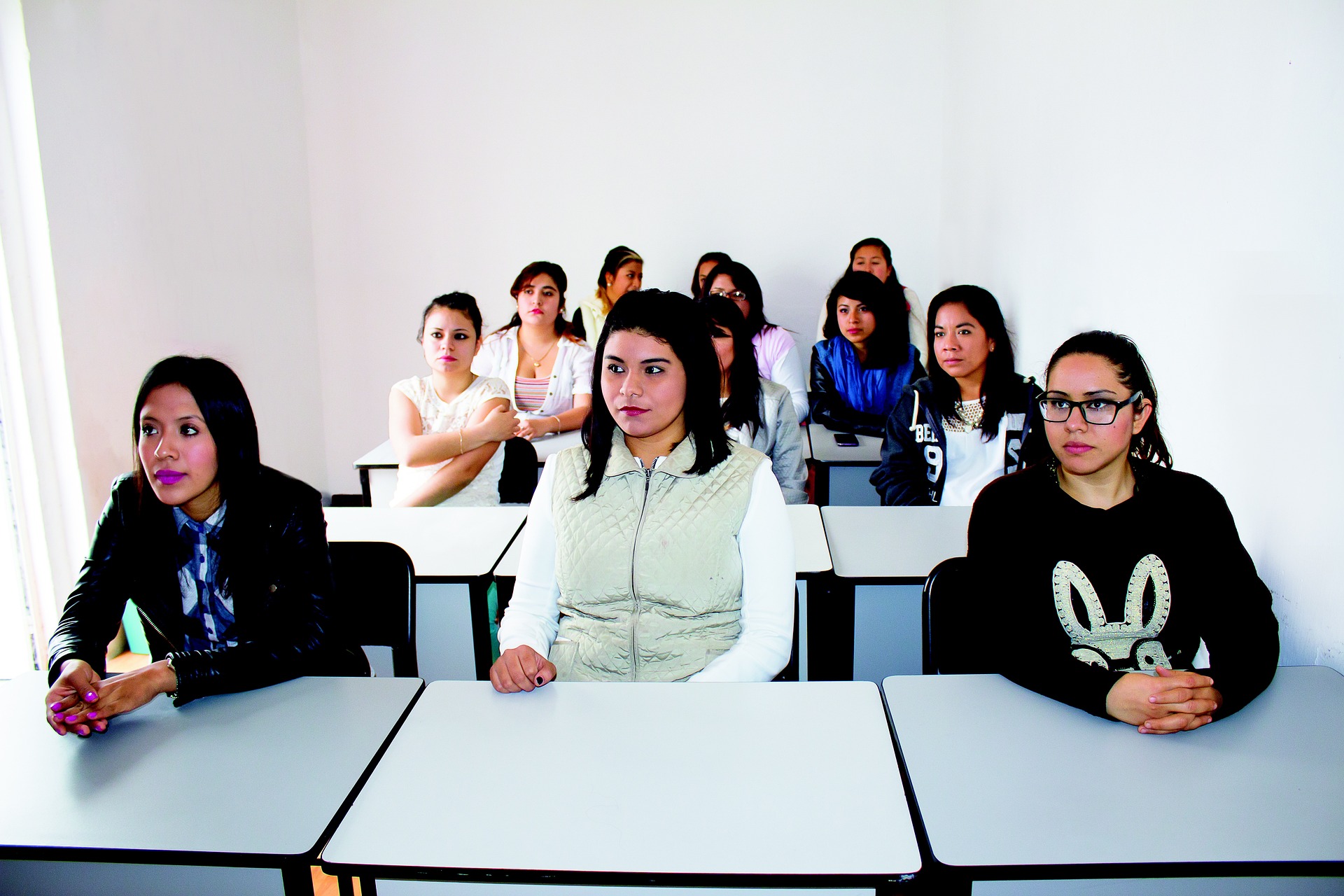
We have addressed the above presented needs of the students with fewer opportunities and then the teachers and finally the participating institutions, therefore in the project activities we have included:
1. 334 Students with fewer opportunities such as representatives of marginalised groups/minorities (in Spain, Bulgaria and Turkiye) – including Roma, woman (especially in Turkiye), refugees, but also students with learning difficulties and special educational needs who are the most disadvantaged groups with regards to employment. They were the direct beneficiaries of the project results, through which their job preparation skills will be further enhanced & validated.
2. 237 Teachers and pedagogical counsellors from participating schools from Spain, Bulgaria and Turkiye. Their role in the project was to conduct and deliver the pre-employment programme including via training and validation via serious game with the support of career counsellors and supported employment experts coming from the two NGOs included in the project consortium. We have upgraded their skills in applying an individual approach to the formation of competencies, aimed at motivation, active citizenship and participation in the labor market.
3. The project activities supported also by representatives of educational supervisors (Employment Agencies, Centres for Inclusive Education, Centres for Educational Integration of Children and Students from Ethnic Minorities, Regional Departments of Education etc.) local municipalities, social services, job centers, who have provided an added value to the realisation of the pre-employment programme via game based learning and will facilitate the labour integration upon graduation of the above mentioned students.
4. We have alsol included parents, guardians and family members of these students and their role was to stimulate and further motivate their pupils to succeed on the labour market.

You may see opinion of the participating target groups in section NEWS of this website.